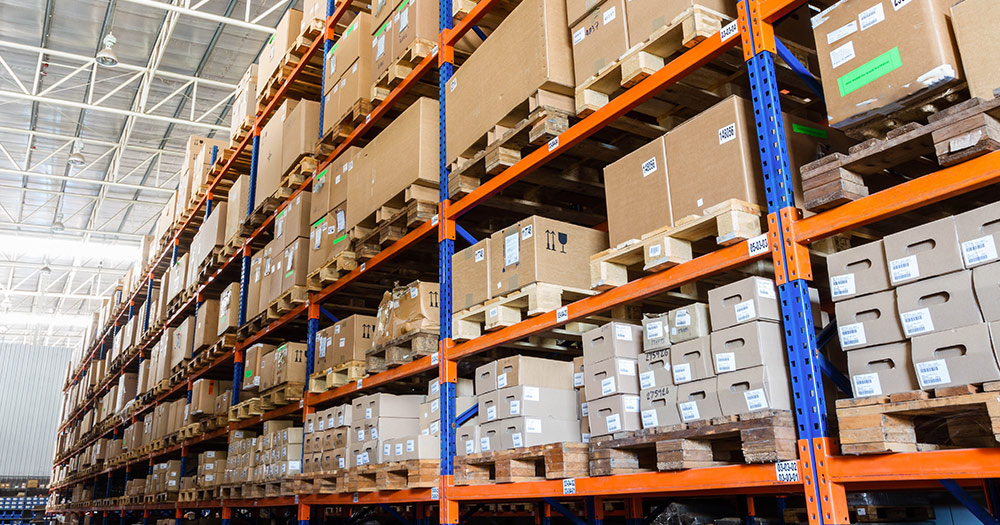
A retailer may reject an inventory shipment for many reasons. Packaging could fail to meet updated guidelines, labels may contain outdated information, cartons might arrive outside the required delivery window, or a purchase order may be cancelled before the products reach the distribution centre.
Whatever the cause, the supplier is left with merchandise that was manufactured, packaged and reserved for a specific retail customer but can no longer enter that customer’s distribution system.
The rejected products may still be new, functional and commercially valuable. However, their value can decline while they remain in storage. Warehouse fees accumulate, packaging becomes dated, product demand changes and the business loses access to capital invested in the stock.
Selling retailer-rejected inventory in bulk can provide a practical way to recover value, clear warehouse capacity and move forward without managing thousands of individual sales.
This guide explains how to assess rejected inventory, prepare it for liquidation and present it accurately to a professional bulk inventory buyer.
What Is Retailer-Rejected Inventory?
Retailer-rejected inventory is merchandise that a retail customer refuses to accept or can no longer purchase. The rejection may happen before shipment, during delivery, at a retailer’s distribution centre or after the retailer inspects the products.
The term does not automatically mean the merchandise is defective. A retailer can reject perfectly usable inventory because it does not meet a contractual, operational or merchandising requirement.
Common examples include:
- Products from cancelled purchase orders
- Merchandise delivered outside an approved appointment window
- Inventory with incorrect carton labels
- Products with outdated retail packaging
- Cases packed in the wrong quantity
- Merchandise missing retailer-specific labels
- Products with barcode or scanning problems
- Inventory affected by a planogram change
- Seasonal stock that arrived too late
- Products removed from a retailer’s assortment
- Merchandise with cosmetic packaging damage
- Inventory produced after a buyer reduced an order
- Goods that do not meet routing-guide requirements
The first step is to determine why the inventory was rejected. This reason affects how the products should be described, whether they require corrective work and which resale channels may be appropriate.
Why Retailers Reject Inventory
Retail chains use detailed vendor agreements and routing guides to keep their distribution systems consistent. A shipment that appears acceptable to a manufacturer may still fail a retailer’s internal requirements.
Purchase Order Cancellations
Retailers sometimes cancel or reduce purchase orders because of changing forecasts, weaker sales, store closures, assortment changes or budget adjustments.
The supplier may have already manufactured or imported the merchandise when the cancellation occurs. If the products were customized for that retailer, finding another buyer can become more difficult.
Packaging and Labelling Problems
A retailer may require specific carton sizes, case quantities, pallet configurations, product labels or warning statements. Even a minor difference can prevent a shipment from moving through an automated warehouse.
Packaging problems do not always affect the product itself. The inventory may be suitable for resale through another channel if the issue is disclosed and, when necessary, corrected.
Barcode or Product Data Issues
A product may be rejected when its barcode cannot be scanned or does not match the data in a retailer’s system.
Businesses dealing with barcode or product-identification problems can review the standards and support resources provided by GS1 US. Any incorrect barcode information should be resolved before the products are offered to another buyer.
Late or Early Delivery
Large retailers normally assign specific delivery windows. Products arriving too early or too late may be refused, especially during busy seasonal periods.
A late delivery can be particularly damaging when the merchandise is tied to a holiday, event or promotional campaign. The inventory may have a limited period in which it can be resold at a reasonable value.
Changes in Retail Demand
A product accepted during the planning stage may no longer fit the retailer’s strategy several months later. Trends change, competing products enter the market and customer demand can fall unexpectedly.
The retailer may reduce the order, discontinue the SKU or remove the entire category from its assortment.
Cosmetic Carton Damage
Outer cases and retail packaging can be damaged during storage or transportation even when the products remain functional.
Some retailers will not accept dented cartons, torn labels, crushed corners or visible wear because the packaging does not meet presentation standards. These products may still have value in closeout, discount or secondary wholesale channels.
Confirm That the Inventory Can Be Resold
Before contacting a bulk buyer, confirm that the products can legally and safely be sold.
A retailer rejection caused by an administrative or packaging issue is very different from inventory affected by a safety recall, contamination concern or prohibited product claim.
Check whether the merchandise is subject to:
- A consumer safety recall
- A stop-sale notice
- Expired regulatory approval
- Product contamination
- Missing safety warnings
- Counterfeit or unauthorised branding
- Restricted ingredients or materials
- Intellectual property disputes
- Contractual resale limitations
- Expired or unreadable date codes
Businesses can check current consumer product recalls through the U.S. Consumer Product Safety Commission. Food, cosmetics, medical products and other regulated categories may require additional checks with the appropriate government agency.
Do not remove, conceal or alter a date code, warning label, serial number or product identifier to make rejected inventory appear compliant. Material product issues should always be disclosed to a potential buyer.
If the retailer rejected the merchandise because of a safety or regulatory issue, seek qualified legal or compliance advice before attempting to resell it.
Review the Retailer Agreement
Retailer agreements may include terms controlling what happens to cancelled, rejected or retailer-branded merchandise.
Review the purchase order and vendor agreement for:
- Resale restrictions
- Confidentiality requirements
- Trademark limitations
- Territory restrictions
- Destruction requirements
- Packaging removal obligations
- Chargeback procedures
- Rights to branded displays
- Restrictions on online marketplaces
- Exclusivity provisions
- Requirements for removing retailer labels
For example, products manufactured under a retailer’s private label may not be available for unrestricted resale. Merchandise packed in boxes displaying a retailer’s name may require repackaging or de-identification.
Understanding these restrictions before requesting offers can prevent delays and help you identify an appropriate liquidation channel.
Separate Products by Condition
Do not present every unit as new inventory if some cases have been opened, damaged or returned. Condition directly influences the buyer’s offer and resale strategy.
A simple classification system can include:
New and Retail Ready
These products are unused, complete and packaged for retail sale. They may have been rejected because of a delivery, purchase order or administrative issue rather than a physical problem.
New with Packaging Issues
The products are unused, but the cartons or retail packaging have dents, tears, outdated graphics, incorrect labels or other cosmetic problems.
Open-Box Products
The original packaging has been opened, but the contents are believed to be unused and complete.
Customer Returns
These units have been sold and returned. Their functional and cosmetic condition may vary.
Incomplete or Damaged Products
Items may be missing accessories, have visible damage or require testing or repair.
Untested Inventory
The products have not been inspected or functionally tested. A buyer should not be led to assume they are fully operational.
Keeping these groups separate makes the inventory easier to evaluate. It can also prevent lower-quality units from reducing the perceived value of an otherwise desirable lot.
Create an Accurate Inventory Manifest
A professional inventory manifest is one of the most important tools for selling retailer-rejected inventory in bulk.
The manifest should give buyers enough information to assess the lot without relying on vague descriptions or repeated follow-up questions.
Include the following information where available:
- Brand name
- Product name
- SKU or model number
- UPC or other product identifier
- Product category
- Quantity by SKU
- Units per case
- Number of cases
- Number of pallets
- Original wholesale cost
- Suggested retail price
- Product condition
- Packaging condition
- Manufacturing date
- Expiration or best-by date
- Lot or batch number
- Inventory location
- Product dimensions
- Case dimensions
- Pallet dimensions
- Total estimated weight
- Reason for the retailer rejection
- Known resale restrictions
Use separate spreadsheet rows for different SKUs and conditions. If 500 units are new while another 100 units have damaged packaging, record them as separate lines instead of combining them into a single quantity.
Accurate information does not guarantee a particular offer, but it allows a buyer to evaluate the opportunity more efficiently.
Photograph the Actual Inventory
Stock photographs are useful for identifying a product, but they do not show the condition of the available merchandise.
Take current photographs of:
- Individual products
- Front and back of the retail packaging
- UPC and product labels
- Master cartons
- Case-pack labels
- Date codes
- Pallets
- Damaged packaging
- Opened cases
- The wider warehouse area
- Any retailer-specific markings
Photograph both the best and worst examples. If ten percent of the cartons have crushed corners, show the damage and state the approximate affected quantity.
Transparent photographs reduce uncertainty and can help a buyer determine whether the merchandise fits available distribution channels.
Explain Why the Retailer Rejected the Shipment
Sellers sometimes avoid explaining the rejection because they worry it will reduce the offer. In practice, an unclear history can create more concern than a well-documented operational issue.
Provide a short, factual explanation. For example:
- The retailer cancelled the purchase order before shipment.
- The goods arrived after the seasonal delivery window.
- The case quantity did not match the retailer’s updated requirement.
- The retailer discontinued the SKU after production was completed.
- The outer cartons were damaged during transit.
- The packaging contains an older design.
- The products were labelled for a retailer programme that ended.
- The shipment was rejected because of a routing-guide violation.
Avoid speculation. If the exact reason is unknown, say that the inventory was rejected and that no additional explanation was provided.
Determine Whether Rework Is Worth the Cost
Some rejected inventory can be corrected through relabelling, repackaging, inspection or sorting. However, corrective work only makes sense when the expected increase in value is greater than its cost.
Possible corrective work includes:
- Replacing damaged outer cartons
- Applying accurate product labels
- Removing retailer-specific stickers
- Updating case-pack information
- Sorting damaged and undamaged units
- Testing electronic products
- Verifying accessories
- Rebuilding pallets
- Applying required warnings
- Creating new product bundles
Before investing in rework, calculate:
- Labour cost per unit
- Packaging material cost
- Testing or inspection expense
- Additional storage cost
- Time needed to complete the work
- Expected value after correction
- Risk that the corrected inventory will remain unsold
In some situations, selling the merchandise in its current condition produces a better net recovery than spending more money trying to make it retail ready.
Avoid Selling the Inventory One Unit at a Time
Direct-to-consumer selling may produce a higher price per unit, but that does not always mean it generates the best overall result.
Selling thousands of units individually can require:
- Marketplace fees
- Advertising expenses
- Order fulfilment
- Customer service
- Return processing
- Product listing creation
- Long-term storage
- Price monitoring
- Additional labour
- Fraud and chargeback management
Bulk liquidation normally produces a lower unit price because the buyer accepts the cost and risk of reselling the inventory. In exchange, the seller may be able to complete one transaction, remove a large quantity of stock and recover working capital sooner.
The right decision depends on the volume, product value, available staff, storage expense and urgency of the sale.
Understand How Buyers Evaluate Rejected Inventory
A buyer does not normally base an offer only on the original wholesale cost or suggested retail price. The offer must account for the lot’s realistic resale potential and the expenses required to move it.
Important factors include:
- Current market demand
- Product category
- Brand recognition
- Quantity
- Condition
- Packaging quality
- Product age
- Date-code remaining
- Resale restrictions
- Location
- Freight cost
- Sorting requirements
- Testing requirements
- Available sales channels
- Expected return rate
- Competition from newer versions
An older product with a high original retail price may be worth less than a lower-priced product with strong current demand. Similarly, a smaller, well-documented lot can sometimes be more attractive than a large mixed shipment with no reliable manifest.
Protect the Brand During Liquidation
Manufacturers and brand owners may be concerned that liquidation will disrupt authorised dealers or create uncontrolled online discounting.
Before selling the lot, identify any necessary channel restrictions. These might include:
- No resale on named marketplaces
- No sales within a protected territory
- No use of certain product images
- Removal of retailer-specific packaging
- No direct advertising under the original campaign
- Limits on sales to existing distributors
- Restrictions involving warranty representation
Any restrictions should be disclosed before the buyer calculates an offer. A limitation that is introduced after an agreement can disrupt the transaction or materially change the inventory’s value.
Restrictions should also be practical. Eliminating too many resale channels may significantly reduce buyer demand.
Account for Freight and Warehouse Access
Transportation costs can materially affect a bulk inventory transaction. Before submitting the lot, collect accurate logistics information.
Provide:
- Complete pickup location
- Number of pallets
- Approximate pallet dimensions
- Total estimated weight
- Whether pallets can be double stacked
- Loading dock availability
- Forklift availability
- Warehouse operating hours
- Required pickup appointment
- Deadline for removal
- Whether the goods are floor loaded
- Special handling requirements
Tell the buyer if the inventory is stored at a third-party logistics facility. The facility may charge pallet-out, handling, wrapping, appointment or administrative fees.
These expenses should be identified early so both parties understand the total cost of removing the merchandise.
Work With a Direct Bulk Inventory Buyer
A direct buyer purchases the inventory and assumes responsibility for its resale. This differs from a broker who may first try to locate another purchaser.
Before accepting an offer, clarify:
- Who is purchasing the inventory?
- Is the offer for the entire lot?
- Are there inspection conditions?
- Who arranges transportation?
- When will payment be issued?
- Are any deductions permitted after pickup?
- Does the buyer require exclusivity?
- What documents are needed?
- What is the expected removal schedule?
If you need to sell excess or retailer-rejected inventory, provide complete information from the beginning. A clear submission allows the buyer to understand the products, condition, quantity and logistical requirements.
A Step-by-Step Process for Selling Rejected Inventory
Use the following process to organise the transaction.
Step 1: Identify the Rejection Reason
Obtain the retailer’s rejection notice, cancelled purchase order, chargeback information or distribution-centre report.
Step 2: Check Legal and Contractual Restrictions
Confirm that the products can be resold and identify any limitations involving labels, trademarks, territories or sales channels.
Step 3: Inspect and Separate the Inventory
Divide the lot by SKU, condition, packaging quality and date code.
Step 4: Build the Manifest
Prepare a spreadsheet with accurate quantities and product details.
Step 5: Take Current Photographs
Show the products, cartons, pallets, labels and any defects.
Step 6: Gather Logistics Information
Record the pickup location, pallet count, weight, warehouse requirements and removal deadline.
Step 7: Submit the Inventory
Use the Sell Inventory Now inventory submission form to provide details and upload supporting files.
Step 8: Review the Complete Offer
Compare the net recovery after freight, handling, rework, storage and other transaction costs—not only the headline price.
Step 9: Confirm Payment and Pickup Terms
Document the agreed quantity, price, payment timing and transportation responsibilities.
Step 10: Keep Transaction Records
Retain the purchase agreement, bill of sale, inventory list, shipping documents and payment records.
Common Mistakes to Avoid
Hiding the Rejection Reason
A buyer may discover the issue during inspection. Early disclosure makes it easier to identify suitable resale channels.
Combining Different Conditions
Mixed conditions create uncertainty. Separate new, damaged, returned and untested units.
Using Estimated Quantities Without Disclosure
State clearly when quantities are estimated. Conduct a physical count when possible.
Waiting Too Long
Seasonal relevance, remaining shelf life and product demand may decline while carrying costs continue.
Focusing Only on Original Cost
The amount originally paid does not establish the inventory’s current liquidation value.
Ignoring Warehouse Fees
Storage, handling and pallet-out charges can reduce the net proceeds from the sale.
Repairing Inventory Without a Cost Analysis
Rework may not generate enough additional value to justify the expense.
Frequently Asked Questions
Can retailer-rejected inventory still be sold?
Yes, in many cases. Products rejected because of purchase order cancellations, delivery timing, packaging differences or routing violations may still be commercially usable. Safety, regulatory and contractual restrictions must be checked before resale.
Does retailer-rejected mean the products are defective?
No. A retailer may reject inventory for operational or administrative reasons unrelated to product quality. The exact reason should be documented and disclosed.
What information does a bulk buyer need?
A buyer will generally need a manifest, quantities, condition details, product photographs, inventory location, rejection reason and information about resale restrictions.
Can I sell inventory with damaged packaging?
Potentially. Clearly separate the affected units and provide photographs showing the extent of the damage. The products should not be represented as retail ready when their packaging is materially damaged.
Should I repackage the products before selling them?
Only when the expected increase in net recovery exceeds the cost and delay of repackaging. Ask potential buyers whether corrective work would materially improve the offer before investing in it.
Can private-label retailer inventory be liquidated?
It depends on the manufacturing agreement, trademark rights and retailer requirements. Private-label goods may require authorisation, de-identification, repackaging or destruction. Obtain appropriate advice before resale.
How quickly should rejected seasonal inventory be sold?
As soon as the rejection and resale rights are confirmed. Seasonal inventory can lose relevance rapidly after its main selling period.
Can multiple SKUs be sold in one transaction?
Yes. Provide a line-by-line manifest so the buyer can evaluate the mix. Clearly identify quantities, conditions and values for each SKU.
Turn Rejected Inventory Into a Recoverable Asset
A rejected retail shipment does not always have to become a total loss. Products that no longer fit one retailer’s requirements may still have value through closeout, wholesale, discount or secondary distribution channels.
The quality of the result depends heavily on preparation. Confirm the reason for rejection, check resale restrictions, separate products by condition, build a reliable manifest and disclose any material issues.
If your business is holding cancelled purchase order merchandise, packaging-rejected goods, excess stock or other unwanted inventory, submit your inventory for review. Include the manifest, photographs, location, condition and removal deadline so the opportunity can be evaluated efficiently.